

Over 60 percent of american yacht charters fall under strict licensing guidelines that can change from one port to another. Understanding the unique mix of legal obligations, safety standards, and operational procedures is essential whether you are renting for recreation or launching a charter business. This guide breaks down what matters most about yacht charter licensing, helping you avoid legal headaches and make confident decisions on the water.
Table of Contents
- What Is Yacht Charter Licensing?
- Types of Yacht Charter Licenses Worldwide
- Key Requirements for Charter Licensing
- Legal Obligations and Regional Differences
- Common Pitfalls and Compliance Risks
Key Takeaways
| Point | Details |
|---|---|
| Yacht Charter Licensing Importance | Yacht charter licensing is essential for legal operation and safety in the maritime industry, ensuring only qualified individuals manage vessels. |
| Key Licensing Requirements | Licenses require verified maritime skills, safety training, and compliance with regional regulations to operate vessels safely. |
| Diverse Licensing Types | Different licenses exist globally, tailored to vessel size and intended use, ensuring competency in various maritime regions. |
| Compliance Risks | Non-compliance with safety regulations and documentation can lead to severe penalties and jeopardize passenger safety, necessitating rigorous oversight. |
What Is Yacht Charter Licensing?
Yacht charter licensing represents a critical legal framework governing the operation and rental of watercraft for commercial or recreational purposes. According to Wikipedia, yacht chartering involves renting sailboats or motor yachts for travel to various coastal or island destinations, which requires strict adherence to specific licensing regulations ensuring safety and maritime compliance.
At its core, yacht charter licensing is a comprehensive system that validates an individual’s legal authority to rent, operate, or manage a vessel for commercial or personal use. In a bareboat charter scenario, as defined by Wikipedia, the charterer must possess appropriate licenses and certifications to legally operate the yacht without additional crew or provisions. This means that potential charterers must demonstrate professional competence and meet specific maritime regulatory standards.
The licensing process typically involves several key components:
- Verification of maritime navigation skills
- Comprehensive safety training
- Proof of operational knowledge
- Medical fitness certification
- Insurance documentation
- Vessel-specific operational requirements
Professional yacht charter licensing goes beyond basic boating credentials. Operators must understand complex maritime regulations, navigation protocols, emergency response procedures, and international maritime laws. Licenses vary depending on factors such as vessel size, passenger capacity, geographic operating region, and intended use (recreational or commercial).
Understanding the nuanced requirements of yacht charter licensing is essential for anyone considering entering the maritime charter industry. While the process might seem complex, it ultimately serves to protect vessel owners, operators, and passengers by ensuring only qualified individuals manage these sophisticated watercraft.
Types of Yacht Charter Licenses Worldwide
Yacht charter licenses vary significantly across different global maritime regions, each designed to ensure safe and competent vessel operation. In the United States, United States Coast Guard regulations provide specific licensing frameworks that demonstrate the complexity of maritime credentials. For instance, the Operator of Uninspected Passenger Vessels (OUPV) license, colloquially known as the ‘Six-Pack’ license, authorizes captains to carry up to six paying passengers, highlighting the nuanced regulatory environment.
Internationally, maritime licensing takes on diverse forms tailored to regional requirements. The International Certificate of Competence (ICC) stands out as a globally recognized certification. According to Wikipedia, this credential validates an individual’s ability to operate pleasure craft and is often mandatory for bareboat charters in European waters, illustrating the international standardization of maritime professional qualifications.
The primary categories of yacht charter licenses typically include:
-
Recreational Vessel Licenses
- Personal watercraft credentials
- Small boat operation permits
- Inland water navigation certificates
-
Commercial Vessel Licenses
- Passenger vessel operator credentials
- Commercial fishing vessel licenses
- Charter boat professional certifications
-
Advanced Maritime Credentials
- Offshore navigation permits
- International maritime professional licenses
- Specialized vessel operation certificates
Licensing requirements are influenced by multiple factors including vessel size, passenger capacity, geographic operating region, and intended use. Professional mariners must navigate a complex landscape of regional regulations, demonstrating extensive knowledge of navigation protocols, safety procedures, and maritime law. For yacht charter professionals, these licenses are not merely bureaucratic documents but critical credentials that ensure operational safety, legal compliance, and professional credibility in a dynamic maritime environment.

For those serious about yacht chartering, understanding these diverse licensing frameworks is essential. While requirements might seem intricate, they fundamentally protect vessel owners, operators, and passengers by ensuring only qualified individuals manage sophisticated watercraft. Learn more about maritime regulations in our news section.
Key Requirements for Charter Licensing
Charter licensing demands a comprehensive approach to maritime safety and operational competence. GetBoat Blog highlights that charter operators must equip vessels with critical safety infrastructure, including life-saving appliances, fire prevention systems, and advanced communication equipment, as mandated by the International Maritime Organization (IMO) and SOLAS (Safety of Life at Sea) regulations.
Professional qualifications form another crucial aspect of charter licensing. The Day Skipper qualification, as defined by Wikipedia, represents a fundamental credential confirming a skipper’s ability to navigate coastal cruises during daylight hours. This certification often serves as a prerequisite for yacht chartering, demonstrating the rigorous standards required in maritime professional development.
Key requirements for obtaining a charter license typically encompass:
-
Personal Qualifications
- Proven maritime navigation skills
- Medical fitness certification
- Background security clearance
- Language proficiency
-
Technical Competencies
- Vessel operation knowledge
- Navigation and route planning
- Emergency response training
- Equipment maintenance understanding
-
Legal and Regulatory Compliance
- Valid maritime credentials
- Insurance documentation
- Vessel safety inspection certificates
- Compliance with international maritime regulations
The licensing process involves a multilayered evaluation of an individual’s technical abilities, safety awareness, and professional judgment. Aspiring charter professionals must demonstrate not just technical sailing skills, but also comprehensive understanding of maritime regulations, weather conditions, vessel management, and passenger safety protocols. These stringent requirements ensure that only highly qualified individuals are entrusted with operating charter vessels.
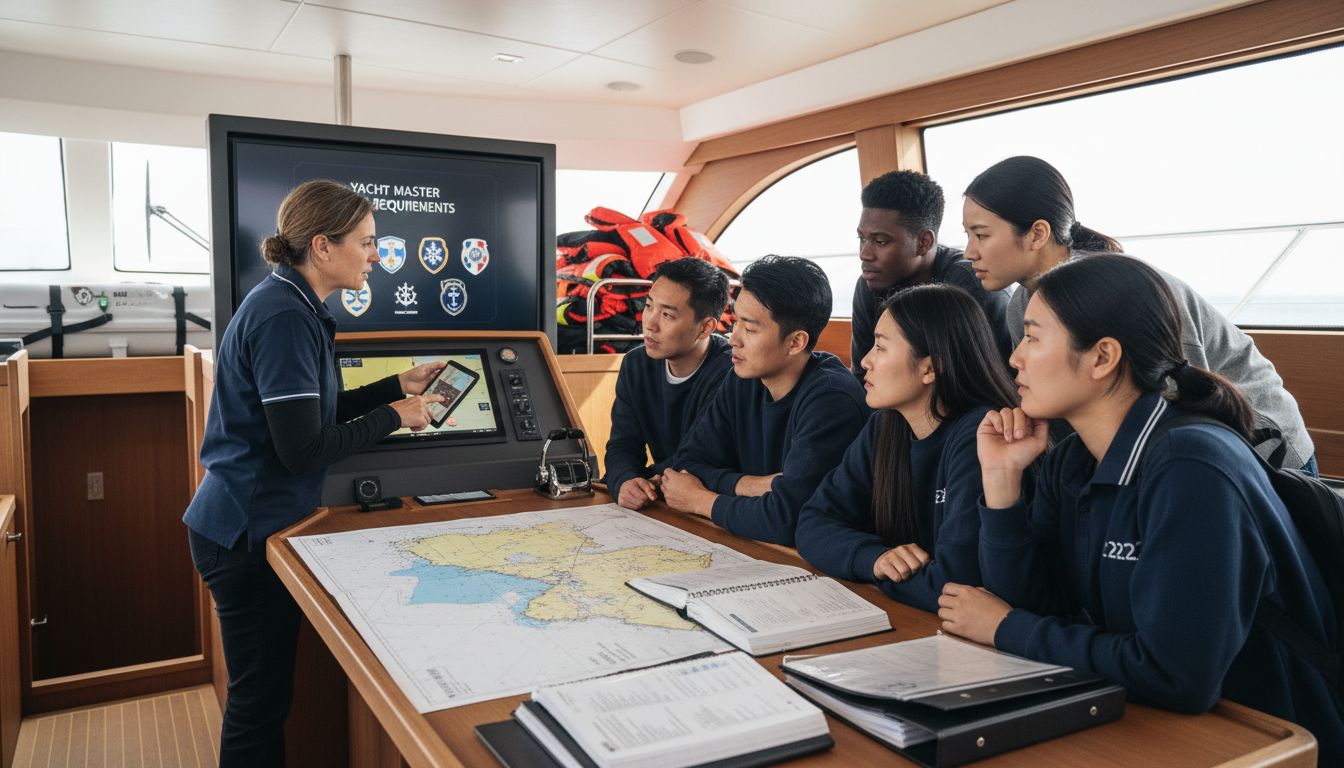
Navigating the complex landscape of charter licensing requires dedication, continuous learning, and a commitment to maintaining the highest standards of maritime professionalism. Explore more about maritime regulations in our news section.
Legal Obligations and Regional Differences
Yacht charter legal obligations demonstrate remarkable complexity, with significant variations across different maritime jurisdictions. In the Seychelles, for instance, Ministry of Finance, Blue Economy and Innovation regulations mandate that charter companies obtain specific licenses designed to ensure vessels are fully self-sufficient, requiring them to accommodate clients with living facilities capable of supporting extended maritime journeys of at least seven consecutive days.
Regional maritime regulations create a complex landscape of legal requirements that charter operators must carefully navigate. These variations encompass multiple critical dimensions, including vessel certification, crew qualifications, passenger safety standards, environmental compliance, and operational restrictions. While some regions maintain stringent international maritime standards, others develop unique local protocols that can substantially impact charter operations.
Key legal considerations across different maritime jurisdictions typically include:
-
Vessel Documentation
- Registration certificates
- Safety compliance documentation
- Insurance verification
- Environmental impact assessments
-
Operational Restrictions
- Geographic sailing limits
- Seasonal navigation permissions
- Passenger capacity regulations
- Crew certification requirements
-
Liability and Compliance
- International maritime law adherence
- Passenger safety protocols
- Emergency response capabilities
- Taxation and financial reporting
The intricate nature of maritime legal frameworks requires charter operators to maintain exceptional diligence and comprehensive understanding of regional regulations. Successful navigation of these complex requirements demands continuous education, proactive compliance management, and a robust legal support infrastructure. Professional charter operators must develop sophisticated strategies to address the nuanced legal landscape, balancing operational efficiency with strict regulatory compliance.
Understanding these regional differences is not merely a legal necessity but a critical component of maintaining a successful and reputable charter operation. Explore more about maritime regulations in our news section.
Common Pitfalls and Compliance Risks
Yacht charter operations face numerous complex compliance challenges that can potentially derail business operations and compromise passenger safety. GetBoat Blog warns that failure to comply with critical safety regulations, such as inadequate life-saving appliances and fire prevention systems, can result in severe penalties and significantly jeopardize passenger safety.
The compliance landscape for yacht charters involves intricate legal and operational risks that demand meticulous attention. Operators must navigate a complex web of regulatory requirements that extend far beyond basic safety protocols. These risks encompass legal, financial, environmental, and operational dimensions, each presenting unique challenges that can potentially compromise the entire charter business.
Key compliance pitfalls typically include:
-
Safety Infrastructure Risks
- Insufficient emergency equipment
- Outdated safety systems
- Inadequate crew training
- Incomplete emergency response protocols
-
Documentation and Regulatory Risks
- Expired or invalid licenses
- Incomplete vessel certification
- Inadequate insurance coverage
- Non-compliance with maritime regulations
-
Operational Vulnerability Areas
- Navigational protocol violations
- Crew credential mismanagement
- Environmental regulation breaches
- Passenger safety standard violations
Professional yacht charter operators must develop comprehensive risk management strategies that anticipate and mitigate potential compliance vulnerabilities. This requires continuous staff training, rigorous documentation processes, proactive regulatory monitoring, and a culture of safety-first operational excellence. The financial and reputational consequences of compliance failures can be catastrophic, potentially resulting in substantial fines, legal action, license revocation, and permanent damage to business credibility.
Navigating the complex compliance landscape demands more than mere technical adherence to regulations. It requires a holistic approach that integrates legal awareness, operational discipline, and a genuine commitment to passenger safety and maritime professionalism. Explore more about maritime regulations in our news section.
Master Yacht Charter Licensing and Secure Your Perfect Vessel Today
Navigating the complex world of yacht charter licensing can feel overwhelming. From understanding essential certifications like the Day Skipper qualification to managing regional legal obligations and compliance risks, the journey requires expert guidance. You want to ensure your charter operation or ownership experience is safe, legal, and fully compliant so you can focus on what really matters — enjoying the open water with confidence.
ExploreYachts is here to support you every step of the way. With our expert knowledge and advanced platform, we help you find the ideal yacht while providing the education you need to maintain your vessel’s value and stay ahead of chartering regulations. Whether you are buying, selling, or looking for insights into maritime compliance, our team delivers tailored solutions designed for discerning yacht owners and operators.
Unlock peace of mind and unmatched expertise at ExploreYachts.
Ready to take control of your yacht charter journey? Visit us now at ExploreYachts to find your perfect yacht and access invaluable resources on maritime licensing and compliance. Do not wait until challenges arise. Act now to secure your investment and sail with confidence.
Frequently Asked Questions
What is yacht charter licensing?
Yacht charter licensing is a legal framework governing the operation and rental of watercraft for commercial or recreational purposes, ensuring that individuals possess the necessary qualifications and adhere to maritime regulations to operate vessels safely.
What are the main requirements for obtaining a yacht charter license?
Key requirements include proven maritime navigation skills, medical fitness certification, valid insurance documentation, vessel safety inspection certificates, and compliance with international maritime regulations.
How do yacht charter licenses differ internationally?
Internationally, yacht charter licenses vary based on regional regulations, types of vessels, and intended uses, with different credentials like the International Certificate of Competence (ICC) being recognized globally to validate a sailor’s competence.
What are common compliance risks for yacht charter operators?
Common compliance risks include insufficient safety infrastructure, expired licenses, inadequate crew training, and non-compliance with maritime regulations, which can jeopardize passenger safety and lead to severe penalties.
Recommended
Find a listing you're excited about?
Here's what's next:
A typical U.S. vessel transaction handled by a licensed yacht salesperson requires:
- Terms, pricing agreed upon in an accepted offer.
- A 10% earnest money deposit sent to a secure escrow account
- Then the engines can be started, electronics are tested, or a mechanic, surveyor or haul-out facility performs inspections.
The contract will give the buyer 14 days to inspect the vessel and decide whether to proceed. During those 14 days, the buyer may reject the vessel for any reason and receive the deposit back, less any inspection expenses incurred on the buyer’s behalf.
Request a Call
Send A Message
"*" indicates required fields
Search All Listings
"*" indicates required fields
West Coast Winners
East Coast Exclusives
Experience the Thrill of Sportfishing Aboard Luxury Yachts
Experience the Thrill of Sportfishing Aboard Luxury Yachts in 2026! Get ready for an unforgettable adventure in 2026, as Explore Yachts presents a rare opportunity to experience sportfishing aboard our luxury fleet of 50’ yachts. Led by a YouTube celebrity and world-class captain, this is not just any fishing trip—it’s the ultimate journey tailored for thrill-seekers and leisure-lovers alike. Invite
Monthly Yacht Maintenance – Florida
Has anyone checked on your vessel lately? Explore Yachts is pleased to enhance your yachting experience like never before. We believe that owning a yacht should be a seamless and exhilarating journey, which is why we have established trusted partnerships across all aspects of the yachting vertical. Reliable Services for Effortless Ownership Once you’ve completed your yacht purchase in Florida,
Luxury Office Venues & Charters in Florida
Experience Luxury: Top Yacht Charters & Meeting Venues in Florida for 2026 As we usher in 2026, Explore Yachts is excited to offer exclusive access to the finest yacht charters and meeting venues along the stunning Florida coast and marinas. Whether you’re planning an executive meeting or a relaxed off-site gathering, theseluxury vessels measuring 50 feet and greater can be
Mid West Only
Set Sail on Your Dream Adventure: The Great Loop Awaits in 2026!
Set Sail on Your Dream Adventure: The Great Loop Awaits! Embark on an unforgettable journey aboard the luxurious brand new Fountaine Pajot 44’ catamaran as you navigate the legendary Great Loop in 2025. This incredible boating trip is not just a dream; it’s an adventure waiting to unfold! Explore the stunning vistas of the Great Lakes. Starting your journey here,
Incredible Deals in the Midwest
Whether you’re looking for an affordable liveaboard on the Great Lakes, a bowrider perfect for tubing adventures, or a luxury catamaran to embark on your Great Loop journey, we have you covered. Direct access to manufacturers ensures quality and reliability. At Explore Yachts, our handpicked professional network guarantees that you receive top-tier service and exclusive deals tailored specifically to your
Private Vault: Off-Market Listings for Buyers and Sellers
As we cruise into 2026, Explore Yachts continues to be the beacon of trust for buyers and sellers in the yacht community. At Explore Yachts, we compile and keep a private list of buyers and potential sellers, expediting the ownership process. If you know your ideal vessel start your search now! If you own a vessel and open to off-market